
Financial crimes have become one of the most significant threats to the stability of the global financial system. With the rapid growth of digital payments, cross-border banking, and cryptocurrency markets, criminal groups now have more tools than ever to move illicit funds through legitimate financial channels.
Governments, regulators, and financial institutions therefore invest enormous resources in detecting and preventing financial crimes. These crimes can involve individuals, organized crime networks, or even corporations that exploit weaknesses in financial systems. Their impact goes far beyond financial losses. Financial crimes can undermine economic stability, erode public trust in financial institutions, and enable other serious offenses such as terrorism, corruption, and human trafficking.
Because of these risks, governments worldwide have introduced strict regulatory frameworks and compliance programs designed to identify suspicious activities and prevent illegal financial flows. Anti-money laundering (AML) regulations, sanctions regimes, and financial intelligence systems now form the backbone of global efforts to combat financial crime.
Understanding the types of financial crimes, how they operate, and how institutions attempt to prevent them is essential for anyone working in compliance, banking, or financial regulation.
Because of these risks, governments worldwide have introduced strict regulatory frameworks and compliance programs designed to identify suspicious activities and prevent illegal financial flows. Anti-money laundering (AML) regulations, sanctions regimes, and financial intelligence systems now form the backbone of global efforts to combat financial crime. Understanding the types of financial crimes, how they operate, and how institutions attempt to prevent them is essential for anyone working in compliance, banking, or financial regulation.
What is Financial Crime?
Financial Crime (or FinCrime) generally refers to activities involving illegal money, financial assets, or financial systems. Financial crimes often involve the misuse of financial institutions such as banks, payment providers, investment firms, and cryptocurrency exchanges. Criminals attempt to place the illicitly generated funds and move them through these institutions to disguise their origin and make them appear legitimate before finally they are integrated.
One important concept in financial crime is the “predicate offense.” This refers to the original crime that generates illegal proceeds, such as fraud or drug trafficking. The proceeds from these crimes are then typically laundered through financial systems to hide their source.
Financial crime therefore rarely occurs in isolation. For example, a criminal organization may commit fraud to generate funds, then use money laundering techniques to conceal the profits, and finally move the funds through international transfers to avoid detection. Because of this interconnected nature, modern financial crime regulation focuses on both preventing the underlying crimes and monitoring the movement of money within the financial system.
Different Types of Financial Crimes
So, what Predicate Offences can be considered as Financial Crimes? In many countries the list of predicate offences can be different compared to other jurisdictions. The same situation was observed in the European Union (EU) for quite some time until the Sixth Anti-Money Laundering Directive (6AMLD) was introduced which expanded and aligned the list of criminal activities considered predicate offenses for money laundering within the EU. The directive identifies 22 different crimes that can generate illicit financial proceeds and therefore fall within the scope of AML enforcement. Together, these offenses illustrate how financial crimes often originate from other illegal activities that generate funds needing to be laundered.
1) Organized Crime and Racketeering – this refers to criminal groups that systematically conduct illegal activities such as fraud, extortion, or smuggling. These organizations often use complex financial networks to hide their profits.
2) Terrorism – terrorism financing involves providing funds to support terrorist organizations or operations. Even small financial transactions can help sustain terrorist networks.
 Picture 1 – Four men jailed in the UK for almost 30 years after a WhatsApp group was used to share terrorism propaganda and arrange funding in support of the banned Islamic State (Source).
3) Human Trafficking and Migrant Smuggling – criminal groups profit from transporting or exploiting individuals illegally. The money generated from these operations is frequently laundered through financial institutions.
4) Sexual Exploitation – this crime involves generating financial gain through exploitation, includi
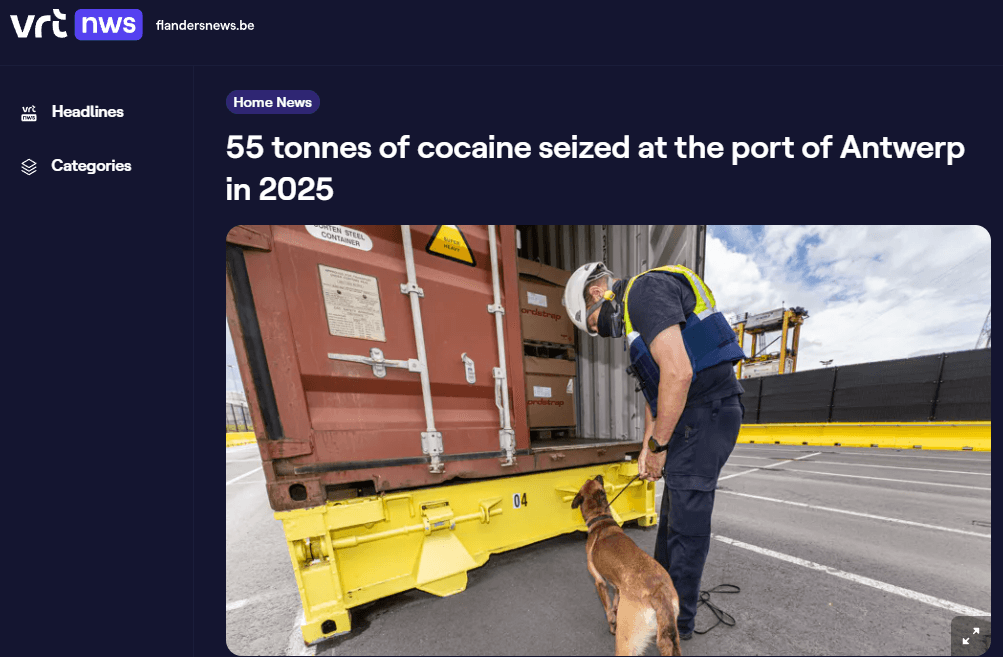 Picture 2 – article highlighting that in the last 3 years, the authorities seized more than 200 tonnes of Cocaine in the port of Antwerp (Source)
5) Drug Trafficking – illicit trafficking of narcotic drugs produces enormous illegal profits worldwide, making it one of the most common sources of laundered money.
6) Illicit Arms Trafficking – illegal trade in weapons often involves complex financial networks and cross-border transfers to conceal transactions.
7) Illicit Trafficking in Stolen Goods – this involves trading stolen products such as vehicles, electronics, or cultural artifacts.
8) Corruption – corruption includes bribery, abuse of public office, or misuse of authority for financial gain.
9) Fraud – fraud involves intentionally deceiving individuals or institutions for financial benefit. Examples include investment fraud, credit card fraud, and insurance fraud.
10) Counterfeiting Currency – producing or distributing fake currency undermines financial systems and generates illegal profits.
11) Counterfeiting and Piracy of Products – this includes producing fake branded goods or illegally copying intellectual property for profit.
 Picture 3 – the article headline from EUROPOL about confiscated toys that expose children and other consumers to serious health and safety risks (Source)
12) Environmental Crime – environmental crimes include crimes like illegal logging, wildlife trafficking, and illegal waste disposal.
13) Murder and Grievous Bodily Injury – although not always considered financial crimes, profits from these activities may still enter the financial system and require laundering.
14) Kidnapping and Hostage-Taking – criminal groups may demand ransom payments, which are often laundered afterward.
15) Robbery or Theft – stolen funds or assets are frequently converted into legitimate-looking financial transactions.
16) Smuggling – smuggling involves transporting illegal goods across borders, including drugs, weapons, or counterfeit products.
17) Tax Crimes – tax evasion and tax fraud involve deliberately avoiding taxes owed to governments.
 Picture 4 – article highlighting Singapore citizen being jailed for Tax Evasion crimes (Source)
18) Extortion – extortion involves obtaining money through threats or coercion.
19) Forgery – forgery includes falsifying documents such as contracts, identity documents, or financial records.
20) Piracy – piracy refers to criminal acts such as hijacking ships or stealing intellectual property.
21) Insider Trading and Market Manipulation – these crimes occur in financial markets when individuals misuse confidential information to gain unfair investment advantages. While in the past the most common advantages were taken by trading stocks, it is becoming increasingly popular among newly developed cryptocurrencies that are used for “Pump-and-Dump” Schemes.
 Picture 5 – UK’s FCA education information for the investors on the Pump and Dump schemes (Source)
22) Cybercrime – cybercrime includes hacking, ransomware attacks, and online financial fraud. The digital nature of these crimes makes them increasingly difficult to trace.
What Financial Crime Prevention Works
Financial crime prevention relies on a combination of regulatory frameworks, financial monitoring systems, and cooperation between institutions and law-enforcement agencies. The most important mechanisms to tackle these crimes used by financial institutions include controls, like:
Customer Due Diligence (CDD) – before opening accounts or providing services, financial institutions must verify the identity of customers. This process, commonly called Know Your Customer (KYC), helps ensure that institutions understand who they are doing business with. CDD procedures often include verifying identification documents, confirming addresses, and identifying the beneficial owner of companies.
- Transaction Monitoring – financial institutions continuously monitor transactions for suspicious patterns. These monitoring systems analyse factors such as transaction size, frequency, geographic location, and unusual behaviour. Modern monitoring systems increasingly rely on machine learning and advanced analytics to identify suspicious activity.
- Suspicious Activity Reporting – when a financial institution detects unusual or suspicious activity, it must submit a Suspicious Activity Report (SAR) to regulators or financial intelligence units. SARs help authorities identify potential criminal activity and detect emerging patterns of financial crime.
- Sanctions Screening – financial institutions must ensure that they do not conduct transactions with sanctioned individuals, organizations, or countries. Sanctions screening systems compare customer information and transactions against international sanctions lists.
- Regulatory Reporting and Compliance – financial institutions are required to maintain detailed records of financial transactions and report certain activities and metrics to regulators.
- International Cooperation – plays a vital role. Organizations such as the Financial Action Task Force (FATF) provide global standards to help countries detect and prevent financial crimes. The FATF’s recommendations establish a framework for laws, regulations, and operational measures to disrupt illegal financial flows and punish offenders.
What Regulators Worldwide in Financial Crime
Regulators across the world emphasize that financial crime poses a major threat to economic stability and financial market integrity, for example the United Kingdom’s Financial Conduct Authority (FCA) states that financial crime undermines consumer confidence and damages the integrity of financial markets. The regulator stresses that combating these crimes requires cooperation between governments, financial institutions, and law-enforcement authorities.
International organizations also highlight the systemic risks associated with financial crime. The International Monetary Fund (IMF) explains that money laundering and terrorist financing can destabilize financial systems and weaken governance structures within countries and is considered in documents, like 2023 Review of the AML/CFT Strategy Board Paper which guide the IMF’s AML/CFT work for the next five years.
Similarly, the Financial Action Task Force (FATF) emphasizes the importance of global standards and international cooperation to detect and disrupt illicit financial flows. Using its Mutual Evaluation Reports and other guidance documents it provides a framework for national authorities to strengthen anti-money laundering and counter-terrorism financing policies. Last year, FATF warned about emerging threats such as cryptocurrency-related financial crimes and urged countries to strengthen oversight of digital assets because criminals increasingly use them to move illicit funds.
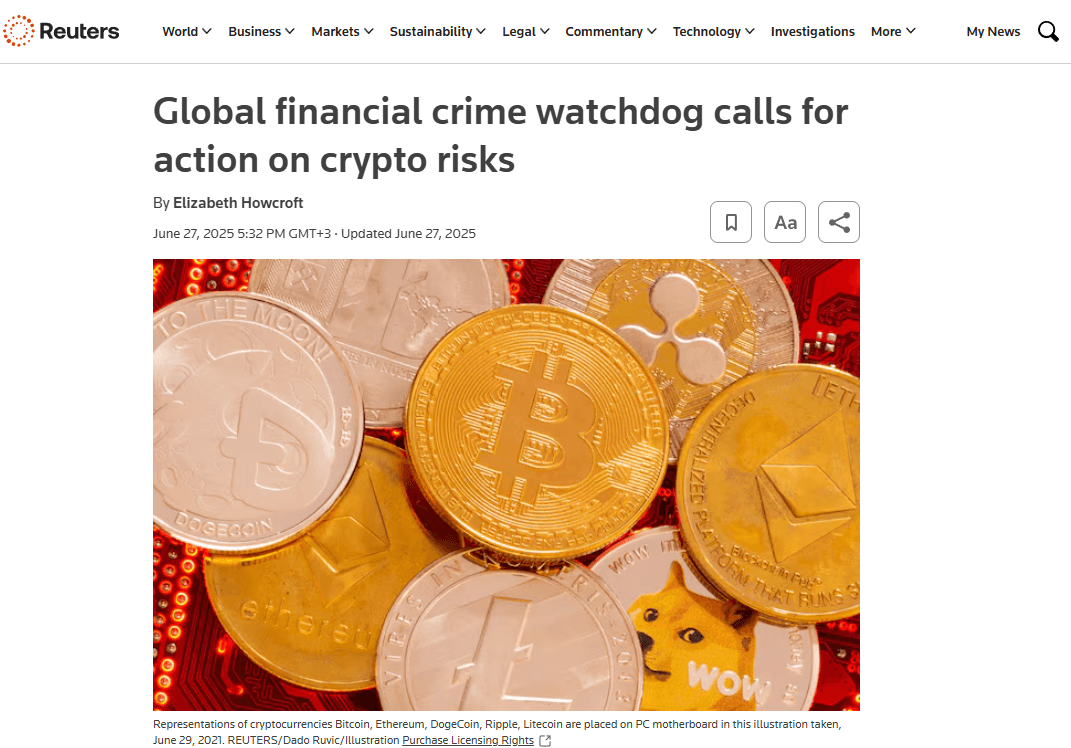 Picture 6 – FATF’s message after the largest ever crypto theft of approximately $1.5 billion worth of virtual assets from crypto exchange ByBit that was conducted by North Korea (Source)
Recent developments show that regulators continue to intensify enforcement efforts. For example, financial regulators frequently impose large fines on institutions that fail to properly manage financial crime risks. In one recent case, a Barclays bank was fined USD 56 million for inadequate controls related to potential money-laundering risks.
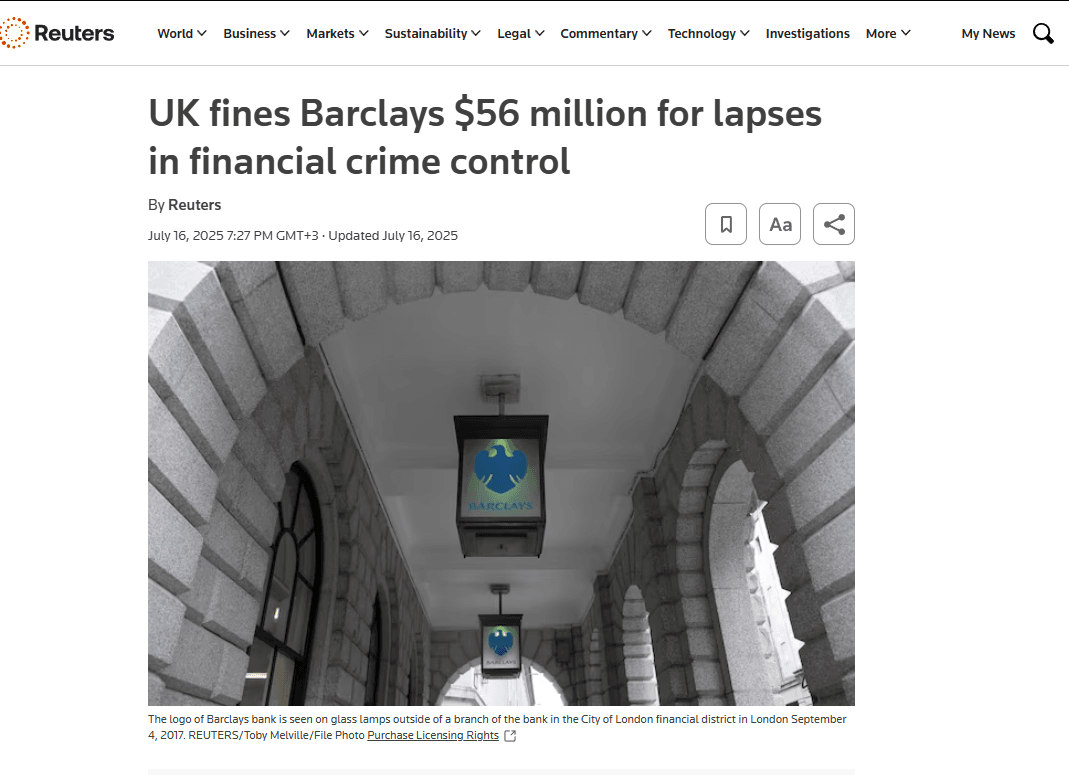 Picture 7 – Barclays Bank being fined for failing to assess money laundering risks with clients (Source)
These regulatory statements highlight the growing importance of financial crime compliance programs across the global financial sector.
Most Common Challenges Regarding Financial Crime
Despite significant regulatory efforts, preventing financial crime remains extremely challenging. Some of the challenges can include:
- Increasing Complexity of Criminal Networks – criminal organizations often operate across multiple countries and jurisdictions, making investigations difficult. Cross-border cooperation between authorities is therefore essential.
- Rapid Technological Change – technological innovations such as cryptocurrencies, decentralized finance platforms, and online banking systems have created new opportunities for criminals to move funds anonymously.
- Beneficial Ownership Transparency – criminals frequently use shell companies, trusts, and nominee shareholders to hide the true ownership of assets. Lack of transparency makes it difficult for authorities to identify the individuals behind financial transactions.
- Data and Monitoring Challenges – financial institutions process millions of transactions daily. Monitoring these transactions effectively requires advanced technology, sophisticated analytics and well-tailored transaction monitoring controls as traditional monitoring systems often produce a large number of false alerts, which must be manually reviewed by compliance teams.
- Regulatory Complexity – financial institutions must comply with numerous regulations across different jurisdictions. Keeping up with evolving laws, sanctions list, and regulatory expectations requires significant resources.
- Balancing Compliance and Privacy – AML regulations require institutions to collect large amounts of customer data. While this improves transparency, it also raises concerns about privacy and data protection.
Conclusions
Financial crimes represent one of the most serious threats to modern financial systems. From fraud and corruption to cybercrime and terrorism financing, these crimes generate massive illicit profits that criminals attempt to conceal through complex financial networks.
To combat these threats, governments and regulators have developed comprehensive frameworks such as anti-money laundering regulations, sanctions regimes, and international cooperation mechanisms. However, financial criminals constantly adapt their methods to exploit technological developments and regulatory gaps. As a result, financial crime prevention requires continuous innovation, collaboration, and vigilance.
For financial institutions and compliance professionals, understanding the evolving landscape of financial crimes is essential to protecting the integrity of the global financial system.
Frequently Asked Questions About Financial Crimes
What Are the Most Common Financial Crimes?
Every country has their own stories and vulnerabilities, so there is no single answer to this question. In case of the EU, the Europol report Decoding the EUs most threatening criminal networks indicates that Drug trafficking clearly stands out as a key activity, followed by Fraud and Migrant Smuggling.
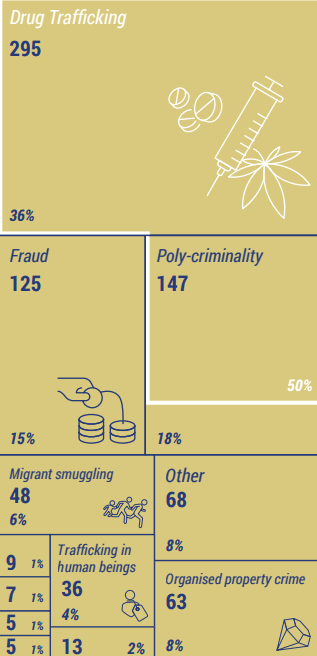 Picture 8 – financial crimes where 821 most threatening crime groups mainly function (Source)
Can the organized crime group be related to multiple (hybrid) financial crimes at once?
Yes. Individual criminals and organized crime groups are very often involved in multiple financial crimes at the same time. Regulators and law-enforcement agencies repeatedly document this pattern. According to the Europol report Decoding the EUs most threatening criminal networks, it was indicated that 18% of groups are involved in Poly-Criminality.
In addition, since COVID-19 the world has seen hundreds of thousands of people trafficked from dozens of countries around the world into working in entrenched scam operations mostly in Southeast Asia. This shows that criminals are involved in Human Trafficking and Fraud crimes at once.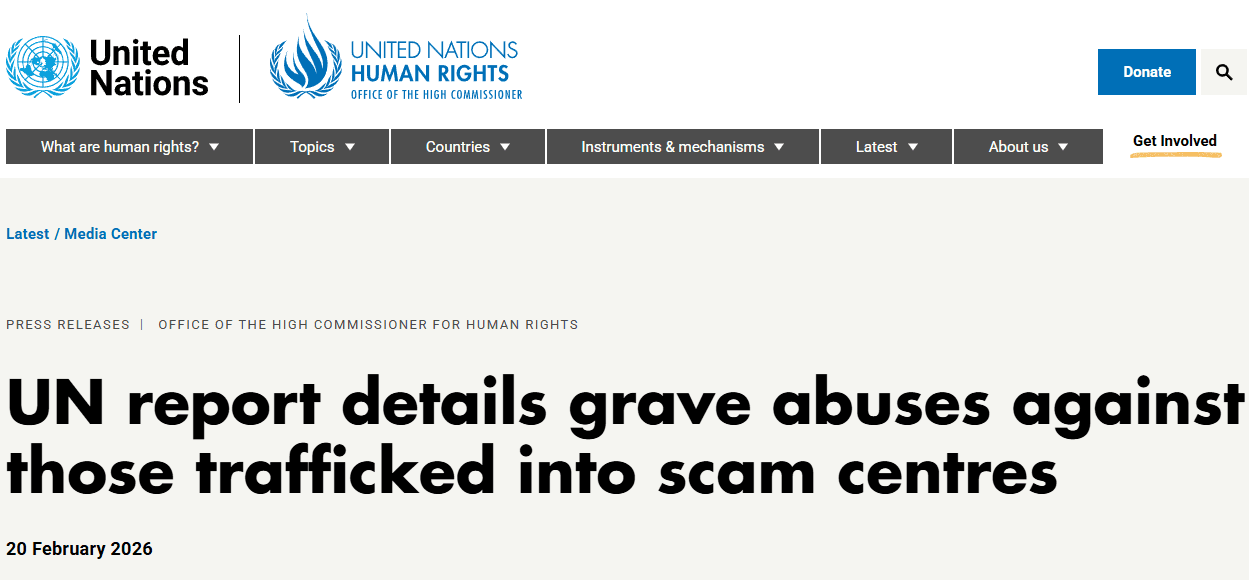 Picture 9 – UN Report headline of these hybrid crimes (Source)
What skills are needed for professionals in the financial crime compliance careers?
People in this field often have to combine multiple skills, like regulatory knowledge, investigative thinking, data analysis, and sometimes even programming. Curiosity always helps, therefore information that you learn in every training, conference, internal projects or simply by reading other publications help to build your internal FinCrime “database”, which can be used to detect criminal behaviour that is often revealed through subtle patterns. My personal advice for those who are starting their journey in this field – you don’t need to posses all these skills before joining the company, but you should feel more confident in your knowledge when leaving it.
From transaction monitoring to sanctions screening, AMLYZE helps financial institutions put these controls into practice. See how it works.
Mažvydas Miliauskas,
AML Risk & Assessments Lead at TransferGo